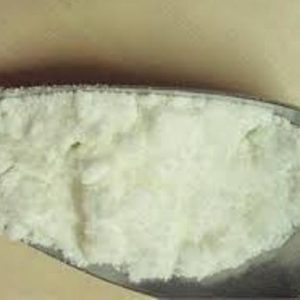
BUY MORPHINE POWDER
BUY MORPHINE POWDER, a member of the opiate family, is a natural analgesic found in various plants and animals. It directly influences the central nervous system (CNS), alleviating both acute and chronic pain. Widely employed for pain relief during myocardial infarction and childbirth, Morphine is administered through various routes, including oral, intramuscular, subcutaneous, intravenous, spinal, or rectal, with effects peaking in 20 minutes (intravenously) or 60 minutes (orally) and lasting 3–7 hours. Extended-release formulations are also available.
Derived primarily from the opium poppy’s straw, around 523 tons of morphine were produced globally in 2013, with approximately 45 tons dedicated to pain management—a fourfold increase over two decades. Morphine plays a crucial role in the synthesis of other opioids like hydromorphone, oxymorphone, and heroin. Classified as Schedule II in the United States, Class A in the United Kingdom, and Schedule I in Canada, Morphine is recognized by the World Health Organization as an essential medicine. In 2016, it ranked as the 158th most prescribed medication in the United States, with over 3 million prescriptions.
Adverse Effects Constipation is a common side effect due to morphine’s impact on the intestinal tract, reducing gut motility through ?-opioid receptors. Gastrointestinal effects include inhibited gastric emptying and decreased intestinal transit, contributing to constipation. The opioid may also indirectly affect the gut by causing spasms after inhibiting nitric oxide generation.
Effects on Human Performance While opioids generally have minimal impact on human performance, morphine, as a CNS depressant, can result in impairments. Studies have revealed effects on critical flicker frequency and the Maddox wing test, indicating alterations in CNS arousal and visual axis deviation. High doses may impair fine motor control, although gross motor abilities have not shown a consistent correlation. BUY MORPHINE POWDER
Technical Data
- Formula: C17H19NO3.HCl
- Purity: ≥99% (HPLC)
- InChI Key: XCKKIKBIPZJUET-VYKNHSEDSA-N
Pharmacology Morphine is traditionally classified into two types: class I, a brown non-water-soluble powder derived from concentrated opium, and class II, a white water-soluble powder resulting from a chemical process. Legal medical use primarily involves the old Morphine class II.
Symptoms of Overdose Signs of overdose may include slow, shallow, or irregular breathing, sleepiness, loss of consciousness, limp muscles, cold, clammy skin, small pupils, slow heartbeat, blurred vision, nausea, and fainting.
| WEIGHT | 50g, 100g, 250g, 500g, 1kg |
|---|
Related products


Research Chemicals


Research Chemicals